

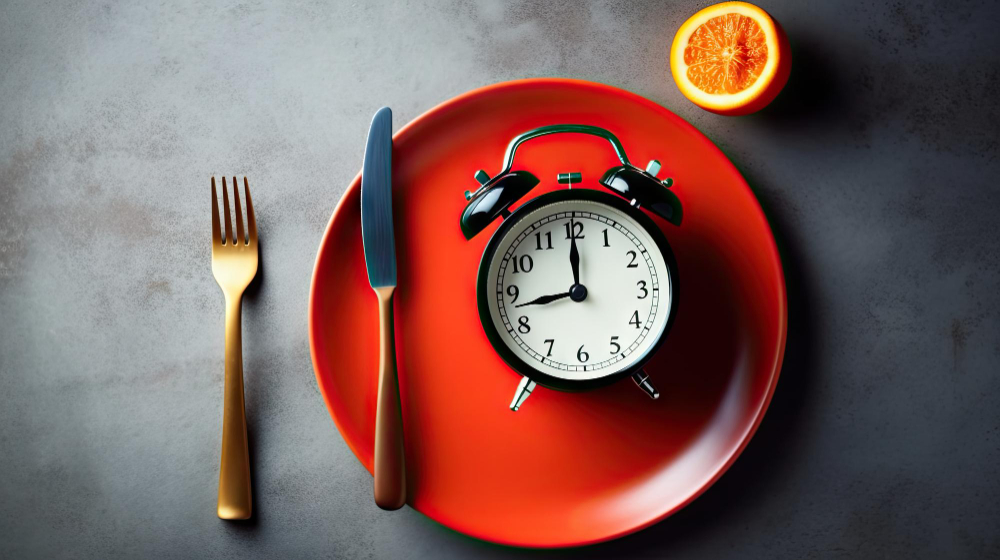
Welcome, fellow foodies and fasting enthusiasts! Today, we dive into the world of intermittent fasting (IF), where you can have your cake and eat it too—just not right now. Buckle up as we explore the ins, outs, and occasional growls of this popular eating pattern. Spoiler alert: there’s a lot more to it than just skipping breakfast!
What is Intermittent Fasting?
Intermittent fasting is the dietary equivalent of playing hard to get. You eat within a specific time window and fast for the rest of the day. Think of it as giving your digestive system a well-deserved break from its constant 24-hour buffet shift.
There are several popular methods:
- 16/8 Method: Fast for 16 hours, eat within an 8-hour window. Perfect for those who prefer to skip breakfast and wake up at noon.
- 5:2 Diet: Eat normally for five days and drastically reduce calorie intake (500-600 calories) on the other two. Great for folks who enjoy torturing themselves twice a week.
- Eat-Stop-Eat: Fast for 24 hours once or twice a week. Because nothing says “fun” like a whole day without food.
- Warrior Diet: Eat small amounts of raw fruits and vegetables during the day, feast like a king (or queen) at night. Channel your inner medieval warrior—turkey leg optional.
Benefits of Intermittent Fasting
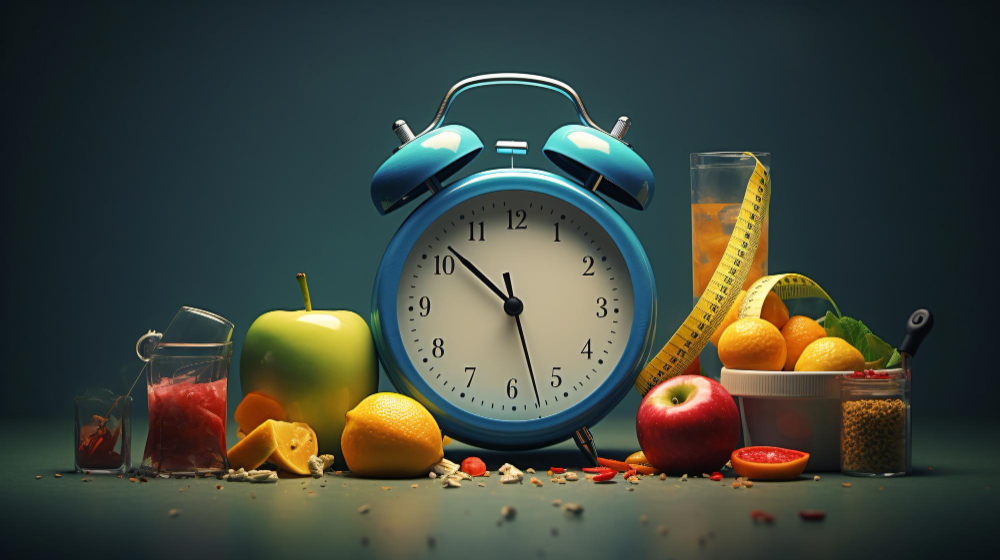
Besides the obvious joy of turning down breakfast invites, intermittent fasting comes with a buffet of health benefits:
Weight Loss and Fat Burning
IF can help you shed those pesky pounds. By limiting your eating window, you naturally consume fewer calories. Plus, during the fasting period, your body taps into its fat reserves like a squirrel raiding its nut stash.
Improved Metabolic Health
Fasting can improve insulin sensitivity and lower blood sugar levels. Your pancreas will thank you for giving it a break from producing insulin around the clock.
Enhanced Brain Function
Studies suggest that fasting can boost brain function and protect against neurodegenerative diseases. So, while you might be hangry, your brain is getting a workout worthy of a Mensa membership.
Increased Longevity
Fasting has been shown to extend lifespan in various organisms. If it works for mice and worms, there’s hope for us too! The fountain of youth might just be hiding in your empty fridge.
How to Get Started
Ready to join the fasting fun? Here are some tips to ease into it without feeling like you’re starring in a foodless version of “Survivor”:
- Start Slow: Don’t jump straight into a 24-hour fast. Begin with the 16/8 method and gradually increase your fasting window.
- Stay Hydrated: Water, herbal tea, and black coffee are your new best friends. They help curb hunger and keep you hydrated.
- Plan Your Meals: Make sure your eating window includes balanced meals with plenty of protein, healthy fats, and fiber. Avoid the temptation to inhale a box of donuts the moment your fast ends.
- Stay Busy: Distraction is key. Engage in activities that keep your mind off food. Just maybe avoid binge-watching cooking shows.
- Listen to Your Body: Fasting isn’t for everyone. If you feel unwell or overly fatigued, it might be best to reconsider or try a different method.
Common Misconceptions
Let’s debunk some myths faster than you can say “intermittent fasting”:
- “You’ll lose muscle!”: If you maintain a healthy diet and keep up with strength training, your muscles will stick around.
- “Fasting slows your metabolism!”: Actually, short-term fasting can boost your metabolism. It’s like giving your metabolic engine a tune-up.
- “You can eat whatever you want!”: While the occasional treat is fine, binging on junk food during your eating window won’t do you any favors. Sorry, pizza lovers.
Fasting Faux Pas
As with any diet, intermittent fasting has its pitfalls. Here are a few to avoid:
- Overeating During Eating Windows: Stuffing yourself like a Thanksgiving turkey defeats the purpose.
- Not Drinking Enough Water: Dehydration is not your friend. Keep those fluids coming.
- Ignoring Your Body’s Signals: Dizziness, nausea, and extreme fatigue are red flags. Don’t ignore them.
Final Thoughts
Intermittent fasting isn’t a magic bullet, but it’s a flexible and sustainable approach to eating that can offer numerous health benefits. Remember, it’s not about starving yourself; it’s about finding a balance that works for you.
So, whether you’re a 16/8 aficionado or a weekend warrior, embrace the journey with humor and a pinch of patience. Your body (and your pancreas) will thank you.
Happy fasting, and may your hunger be ever in your favor!

 English